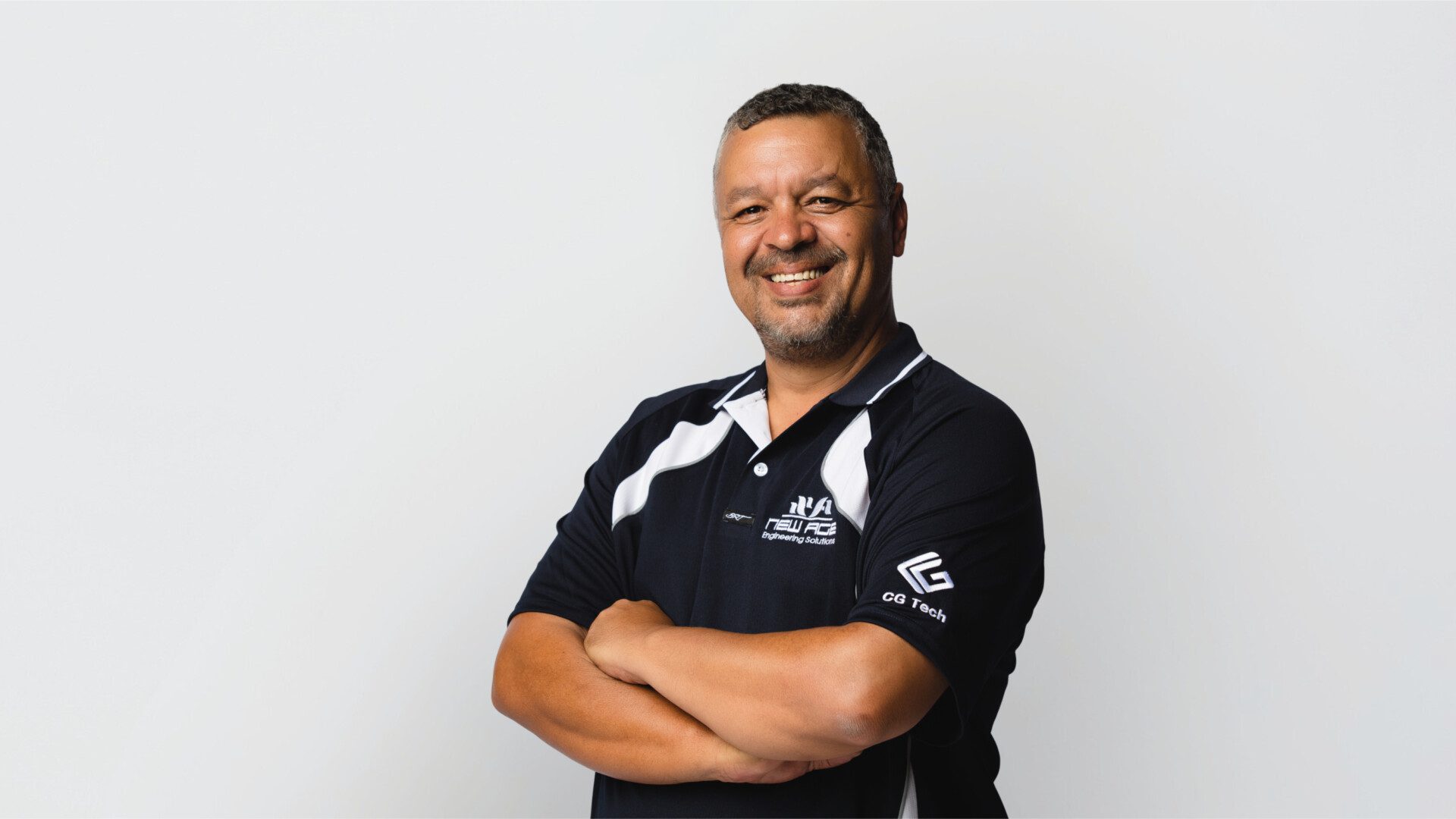
Working in a nuclear plant demands focus, precision, and a steady hand, and Paul Buys has built his career meeting those expectations every day. From his early years, gaining hands-on technical experience to leading operations as Site Manager at Koeberg Nuclear Power Station, Paul has grown through constant learning and real-world problem-solving. In an environment where safety, discipline, and technical accuracy guide every decision, he keeps teams aligned and complex work moving. His journey shows how long-term dedication and practical skill can shape a strong career in the nuclear energy sector.
- Can you describe your career journey leading up to your current role as Site Manager at Koeberg?
Well, I left school. I was lazy and I didn’t want to study. So I worked on container ships. I spent five years working on container ships, travelling the world. After years of travelling for work, I returned home to Cape Town and joined the team at Koeberg Nuclear Power Station. My first role at Koeberg was with a contracting company, starting as a semi-skilled general worker. Over time, I completed my trade test and progressed to senior technician, where I was responsible for preparing and executing work packages on-site.
I joined New Age Engineering Solutions in 2012 and spent the next decade working across various shutdowns and projects, primarily in Secunda. During that time, I held the role of Site Manager on major projects, including at Sasol, where we started off with only 12 employees and I think today we are sitting just roughly over 500 employees. I also worked extensively in Quality Assurance and Quality Control on multiple projects, including ProMac, Astron, and Sasolburg, as well as mining operations.
- Can you describe your main responsibilities as a Site Manager at Koeberg Nuclear Power Station?
As Site Manager, I oversee a wide range of functions, including HR, finance, quality control, and day-to-day operations. My responsibilities include staff assessments, coaching, mentoring, and regular employee consultations. On the finance side, I manage monthly reporting, invoicing, purchase orders, and procurement support — including obtaining quotes and preparing proposals for the client.
Operationally, I coordinate site meetings, walkdowns, and safety oversight, while ensuring accurate reporting and statistical updates for the client. I also lead welder testing and qualification processes, oversee galvanising coordination, and ensure quality control of all welding activities.
In addition, I liaise with stakeholders, manage tender submissions, and maintain the tender register and related documentation.
- What have been some of your proudest moments during your time at Koeberg?
Assisting with the Atmospheric Stress Corrosion Cracking (ASCC) pipe replacement, where we had an American team to perform automated welding on long-standing pipework. Also, preparation of Outage packages +/- 3000 work packages.
- What are the most important technical skills or qualifications required to work safely and effectively in a nuclear facility?
Problem-solving skills, attention to detail, and clear communication are valuable for coordinating with multidisciplinary teams and managing compliance standards, which are critical in this environment.
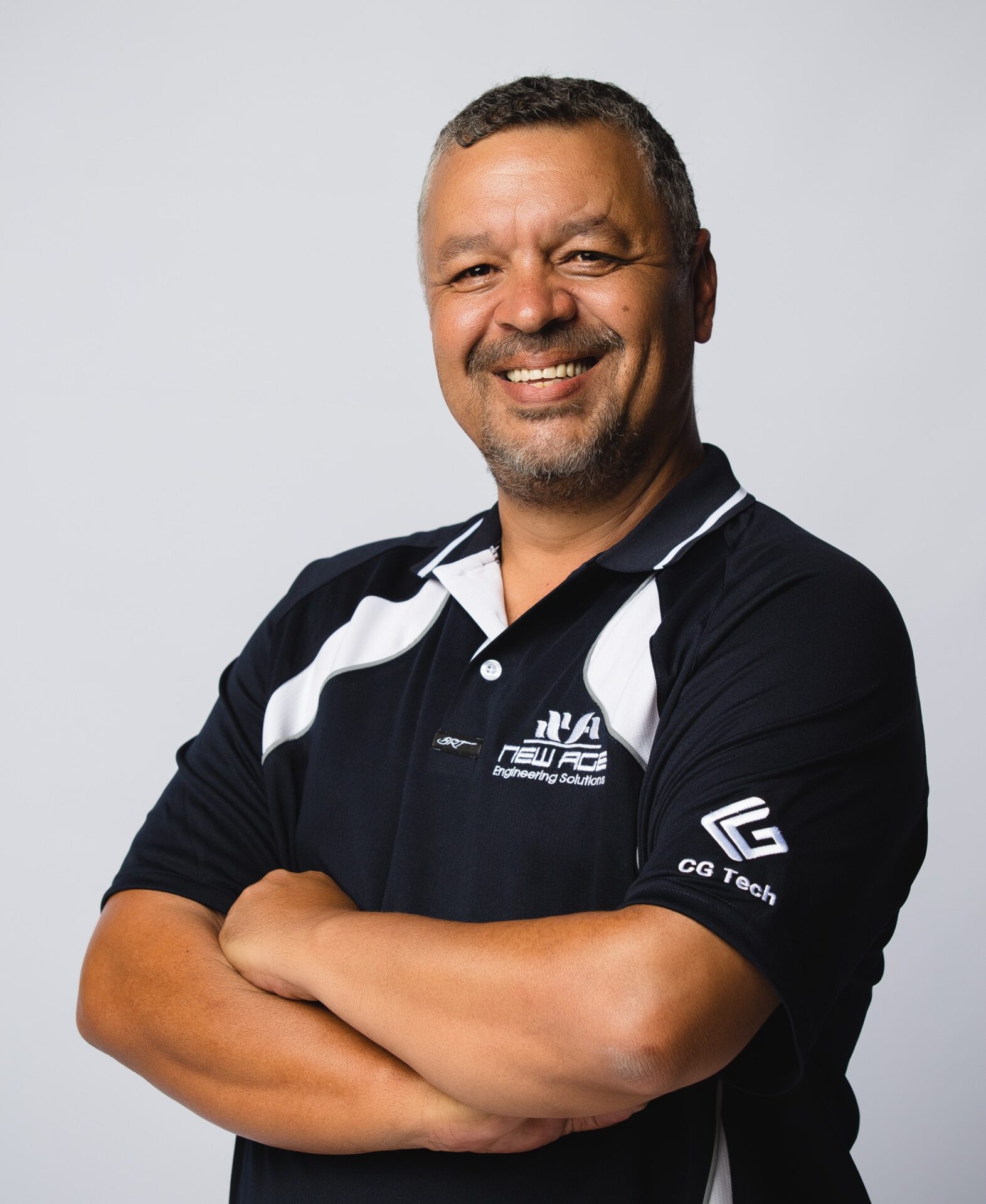
Paul Buys, Site Manager at Koeberg Nuclear Power Station
- What do you enjoy most about working in the nuclear energy sector?
I’d say it’s the people; every site is different, and you deal with all kinds of people. The nuclear environment is unique. Not everyone can say they’ve worked in the nuclear environment, so having that on your CV really stands out.
It’s actually a great place to work, even though the public often sees it differently. There’s a perception that it’s dangerous. Koeberg Nuclear Power Station is a national key point, just like Sasol Secunda, with strict security and safety protocols in place. For example, we do alcohol testing every single day. Everyone blows on the vuvuzela before entering the site, no exceptions. The tolerance here is zero.
Overall, I enjoy the environment. I’ve even got an ocean view! The people are generally good to work with. Sure, there’s pressure and tight deadlines, but that comes with the territory in any high-performing industry.
- What are some of the biggest challenges you’ve faced working in a nuclear environment, and how did you overcome them?
One of the ongoing challenges is coordinating support group interventions and permit availability. In the nuclear environment, no task can begin until the operating department issues the necessary permit. This requires careful planning, close coordination, and at times, patience before work can proceed.
- What does a typical day at a nuclear plant look like for you and your team?
A typical day involves a mix of online maintenance work and planning. We start with aligning planned tasks through support group meetings, then move into site walkdowns and job observations. Throughout the day, we update assessments and make sure all relevant documents are properly loaded and organised on the drive. It’s all about staying organised and making sure the work flows smoothly and safely.
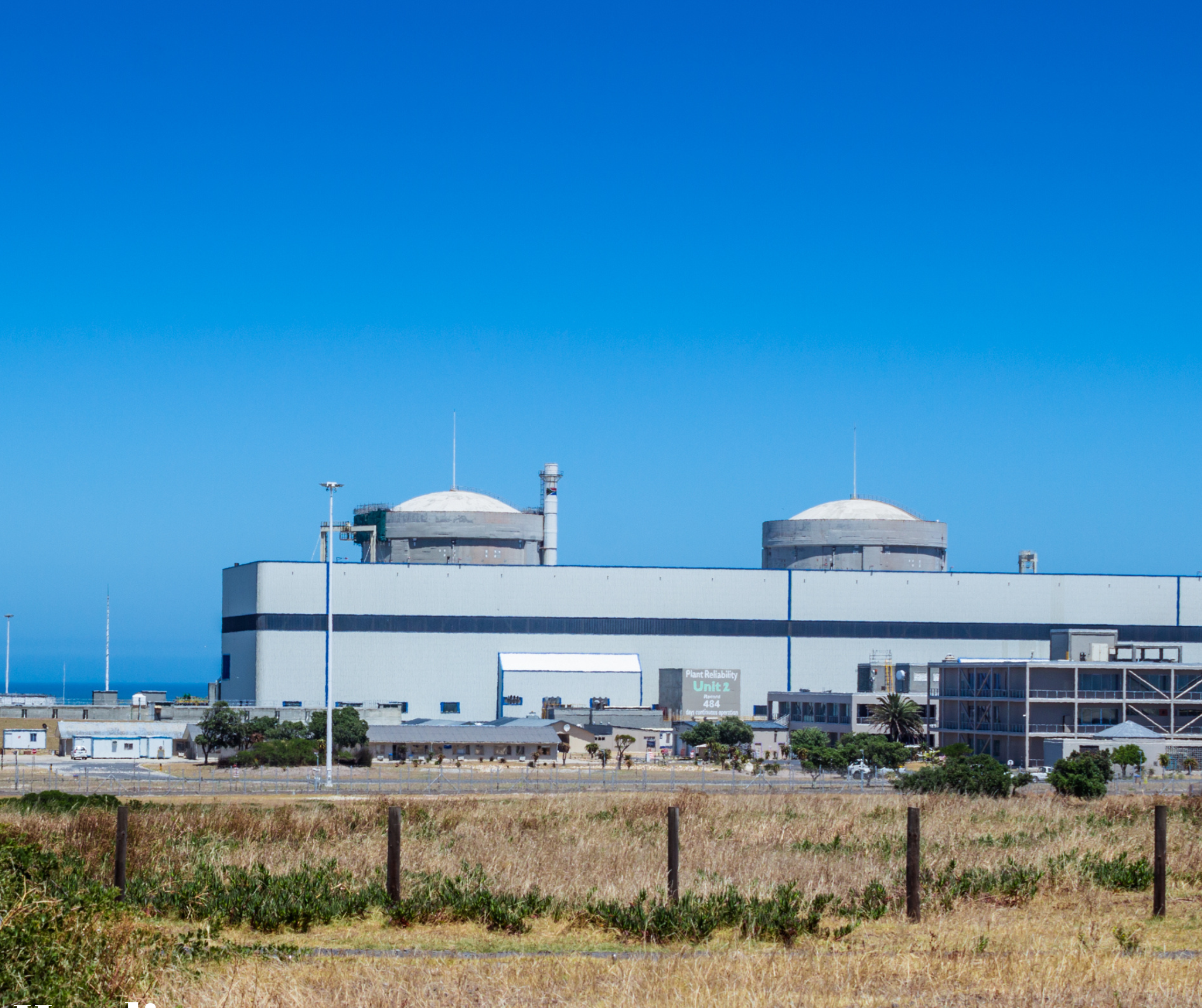
The Koeberg Nuclear Power Station
- Can you explain how Koeberg’s team prepares for large-scale projects or outages like plant upgrades or refuelling outages?
To plan large-scale projects like plant upgrades or refuelling outages, a comprehensive strategy is needed, including meticulous upfront planning, risk assessment, detailed scheduling, resource management, and continuous monitoring throughout the outage. This involves defining the scope, creating a detailed work breakdown structure, developing a robust project timeline with critical path analysis, assigning ownership to each task, and securing all necessary resources (personnel, materials, and equipment) in advance.
- What do you believe makes Koeberg’s work culture unique compared to other Eskom sites or power stations?
Koeberg’s work culture is unique; other plants don’t face the same level of strict safety scrutiny and complex maintenance required to operate a nuclear facility, such as replacing components or performing detailed life extension programmes.
- With your years of service in this industry, what advice would you give to young professionals who want to pursue a career in the nuclear or energy sector?
My advice would be to keep learning and stay up-to-date with the latest certifications and training. Try to get as much hands-on experience as you can, even if it means starting in a junior role or doing internships. Also, surround yourself with experienced people and build relationships in the industry. The more you learn from others, the better.